
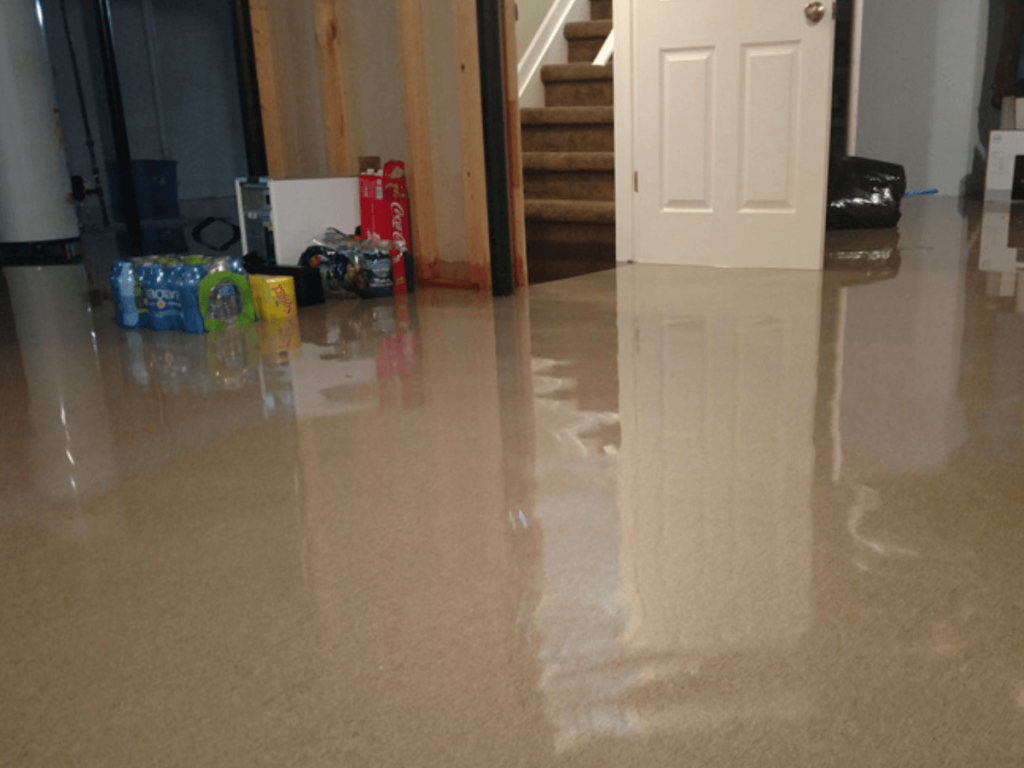
Basement flooding is a common problem for homeowners in Roseville, especially during heavy rains, rapid snowmelt, and sump pump failures. Understanding the causes of basement flooding can help you stop damage early and protect your home from costly structural repairs and mold growth.
What Causes Basement Flooding?
Basement flooding is usually caused by one (or more) of the following:
- sump pump failure or overwhelmed pump
- heavy rain + poor yard grading
- clogged gutters/downspouts dumping water near the foundation
- foundation cracks / wall seepage
- hydrostatic pressure / high water table
- blocked footing drains
- sewer backup or main line blockage
- burst pipe or water heater failure
During heavy rains and rapid snowmelt in Macomb County, sump pump failures are one of the leading causes of basement flooding.
If you live in Roseville, Michigan, you know how unpredictable the weather can be—and how quickly a little rain can turn into a big problem. For many homeowners, one of the most frustrating and expensive issues to deal with is a flooded basement.
Whether it’s a minor leak or several inches of standing water, basement flooding can cause significant damage to your home and personal belongings. Worse, it can lead to mold growth, structural issues, and costly repairs if not addressed quickly.
In this post, we’ll explore the most common basement flooding causes in Roseville and share practical tips on how to prevent it. If you’ve dealt with water damage before or want to avoid future headaches, this guide is for you.
CLICK HERE If you are experiencing a flooded basement in Roseville and have no insurance.
1. Heavy Rainfall and Storms
One of the most frequent causes of basement flooding in Roseville is heavy rainfall. When a storm hits, the ground becomes saturated quickly. If your home doesn’t have proper drainage in place, the water has nowhere to go, and your basement becomes the next best option.
How to prevent it:
- Install a sump pump: This is your basement’s first line of defense. It collects and pumps out water before it can accumulate.
- Clean your gutters regularly: Clogged gutters cause water to overflow and pool around your foundation.
- Extend downspouts: Make sure your downspouts discharge water at least 6–10 feet away from your home.
- Grade your yard properly: The land around your house should slope away from the foundation to prevent water from seeping in.
2. Cracks in Foundation Walls or Floors
Over time, your home’s foundation can develop small cracks due to settling, temperature changes, or hydrostatic pressure from water-saturated soil. These cracks may seem minor, but they can quickly become entry points for water.
Prevention tips:
- Inspect your basement regularly: Look for hairline cracks, water stains, or signs of moisture.
- Seal foundation cracks: Use a waterproof masonry sealant or hire a professional to handle larger or recurring cracks.
- Install a drainage system: A French drain around your home can relieve pressure and channel water away from the foundation.
3. Failed or Missing Sump Pump
Sump pumps are a great defense against flooding, but only if they’re working properly. A failed sump pump is one of the leading reasons for basement flooding.
👉 Flooded basement cleanup in Roseville.
Prevention tips:
- Test your pump regularly: Pour water into the pit to ensure it kicks on and drains effectively.
- Install a battery backup: Power outages often happen during storms—exactly when you need your sump pump most.
- Consider a secondary pump: A backup pump can take over if the main one fails or can’t keep up with the volume.
4. Poor Drainage Systems Around the Property
If your home’s exterior drainage isn’t effective, water will collect around your foundation. Over time, this moisture seeps into your basement, even if your foundation appears intact.
Prevention tips:
- Install gutter extensions: Direct rainwater away from your home instead of allowing it to pool near the walls.
- Maintain landscaping features: Ensure that flower beds, mulch, and hardscapes don’t trap water against your home.
- Use gravel or stone borders: These materials can help with runoff and reduce standing water.
5. Sewer Backup
Sanitary sewer backups are less common but extremely damaging. Heavy rainfall can overload municipal systems, causing water—and sometimes raw sewage—to back up into your home’s plumbing. Sewage backup cleanup is essential to maintain the health of a property.
Signs include:
- Multiple drains backing up at once
- Gurgling toilets or sinks
- Foul smells coming from the drains
How to prevent it:
- Install a backwater valve: This device prevents water from flowing back into your home through the main sewer line.
- Avoid flushing improper items: Never flush wipes, grease, or other clog-forming materials.
- Have your sewer line inspected: Regular camera inspections can catch root intrusions or cracks before they cause a backup.
6. Broken or Clogged Plumbing Lines
Sometimes, the problem isn’t outside your home—it’s in your own plumbing system. Burst pipes, blocked drains, or broken water heaters can all lead to significant water damage in your basement.
Prevention tips:
- Insulate pipes in cold weather: Prevent freezing and bursting during Michigan winters.
- Watch for slow drains: A sluggish sink or shower drain could signal a blockage that may lead to a backup.
- Get annual plumbing inspections: Professional checks can catch potential failures before they turn into floods.
7. Window Well Leaks
Basement windows are often below ground level and surrounded by a well to keep soil at bay. But if that well fills with water, it can seep in through the window seals or frames.
How to prevent it:
- Install clear window well covers: These keep out rain and debris while allowing light in.
- Check for proper drainage in wells: Make sure the well has gravel and a drainage pipe to move water away.
- Seal the window frames: Use waterproof caulking to prevent leaks around the edge.
8. Outdated Waterproofing or Drain Tile Systems
Older homes in Roseville often have outdated or failing waterproofing systems. Drain tile systems, which are supposed to carry water away from your foundation, can clog or collapse over time.
What to do:
- Have your waterproofing inspected: A professional can assess your current setup and recommend improvements.
- Upgrade to modern materials: Today’s waterproofing methods are more effective and durable.
- Add interior drainage channels: These collect and direct water toward a sump pump, keeping your basement dry.
What to do when your basement is flooding (first 30 minutes)
Short checklist:
- Shut off electricity to affected area (if safe)
- Stop the source if possible
- Move valuables
- Don’t run fans if contaminated water
- Call a pro if water is spreading into walls/flooring
When Flooding Happens, Act Fast
Despite your best efforts, basement flooding can still happen, and when it does, time is critical. The sooner you start the cleanup process, the less damage you’ll face in the long run.
At Action Extraction Inc, we offer professional flood restoration services in Roseville designed to get your home back to normal quickly and safely.
We provide:
- 24/7 emergency service
- Water extraction and structural drying
- Mold prevention and remediation
- Insurance claim assistance
- Fully certified and experienced technicians
- Flooded basement cleanup
Whether your basement is flooded from a storm, a pipe burst, or a sump pump failure, we’re here to help—day or night.
👉 Contact us now for a fast, reliable response to your basement flooding emergency.
Final Thoughts
Basement flooding is more than just an inconvenience—it can be a major disruption to your life and a serious threat to your property. But with the right preventive steps, you can protect your home from the most common causes of flooding in Roseville.
From sump pump maintenance to proper yard grading and modern waterproofing, taking action now can save you thousands in repairs and help you avoid future stress.
And if you ever find yourself facing water damage, know that expert help is just a call away.
FAQ: Basement Flooding in Roseville
What causes basement flooding most often?
Sump pump failures, poor grading, clogged gutters, and hydrostatic pressure are the most common causes.
Why is my basement flooding after heavy rain?
Heavy rain saturates soil and increases pressure against your foundation, forcing water inside.
Can clogged gutters cause basement flooding?
Yes. Overflowing gutters dump water near the foundation, allowing seepage.
Does Roseville have a high water table?
Seasonal groundwater levels can rise after heavy rains and snowmelt, increasing flood risk.
Who should I call for flooded basement cleanup in Roseville?
Contact the professionals at Action Extraction as our team of certified experts are recognized as Roseville’s best choice for professional water damage restoration.
Serving Roseville & Nearby Communities
We provide flooded basement cleanup and water damage restoration throughout: Roseville, St. Clair Shores, Fraser, Clinton Township, Sterling Heights, and all of Macomb County.
👉See our service area for more locations.